Pool Leak Detection in Toms River, NJ
Structural and plumbing leak detection for inground swimming pools.
Finding Hidden Leaks in Inground Pools
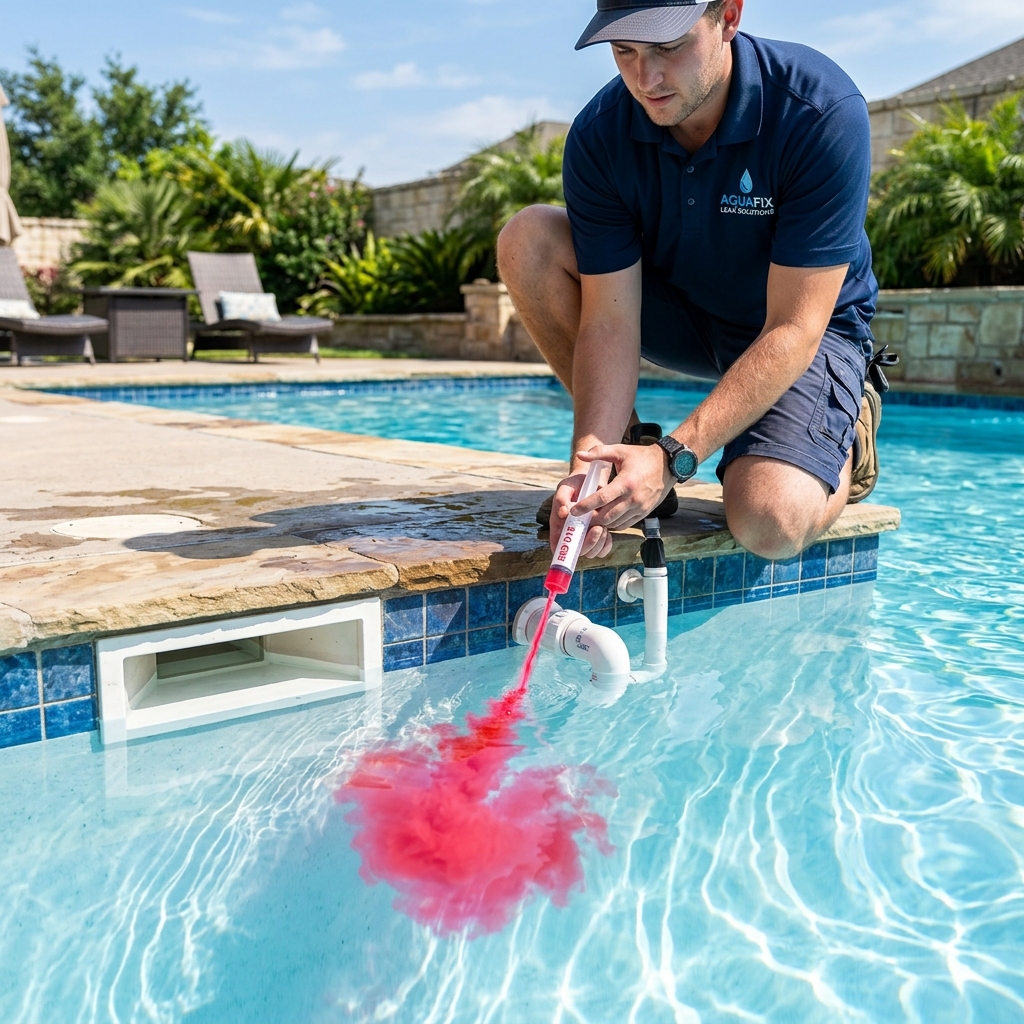
During the warm Toms River summers, some water loss in your swimming pool is perfectly normal due to evaporation and splashing. However, if you find yourself needing to add more than two inches of water per week, or you are constantly struggling with chemical imbalances, you likely have an inground pool leak. In addition to wasting water and chemicals, a persistent pool leak can wash away the supporting soil around the shell, leading to severe structural damage or decking collapse.
Pool leaks typically fall into two categories: structural leaks (in the shell, liner, skimmer, or light niche) and plumbing leaks (in the underground suction or return lines). Properly diagnosing where the water is escaping is the crucial first step before any repairs can be made.
Signs Your Pool is Leaking
- Rapid Water Level Changes: Losing more than a quarter-inch of water per day.
- Soggy Ground Near the Pool: Wet spots in your yard or around the pool deck when it hasn't rained.
- Air in the System: Bubbles in the return lines or pump basket, indicating a suction-side leak.
- Cracked Decking: Settling concrete around the pool edge caused by escaping water eroding the soil.
Our Pool Leak Inspection Process
We take a systematic approach to identifying the source of your pool's water loss. For structural components like the skimmer throat, return jets, main drain, and light niches, we use localized dye testing. By slowly injecting a specialized dye near these penetrations, we can visually observe if the dye is pulled into a crack or gap.
If the structural elements are sound, the issue is likely within the underground plumbing. We perform pressure testing on the suction and return lines to isolate the leak. By capping the lines and introducing compressed air or water pressure, we can determine exactly which pipe is compromised. If a line fails the pressure test, we then use acoustic listening devices to pinpoint the exact location of the leak underground, minimizing the need to tear up your pool deck unnecessarily.
Is Your Pool Losing Water?
Stop wasting money on water and chemicals. We locate both structural and plumbing pool leaks.
Talk With a Leak Detection SpecialistFrequently Asked Questions
How can I be sure it's a leak and not just evaporation?
You can perform a simple "bucket test." Place a 5-gallon bucket filled with water on the second step of your pool. Mark the water level inside the bucket and the pool water level on the outside of the bucket. Wait 24 hours. If the pool water level drops significantly more than the level inside the bucket, you have a leak.
Are winterizing issues common causes of leaks?
Yes. Improper winterizing or freezing temperatures during the Toms River winter can cause water trapped in underground pool plumbing to expand and crack the PVC lines, resulting in a leak when the pool is opened for the season.
What if the leak is in the underground piping?
If our pressure testing isolates a leak in the underground plumbing, we use acoustic equipment to find the precise spot under your deck or yard. This allows for a small, targeted repair rather than trenching up your entire patio.
Related Services
We also detect leaks in other underground water systems.