Slab Leak Detection in Toms River, NJ
Locating leaks under concrete foundations without guesswork.
What is a Slab Leak?
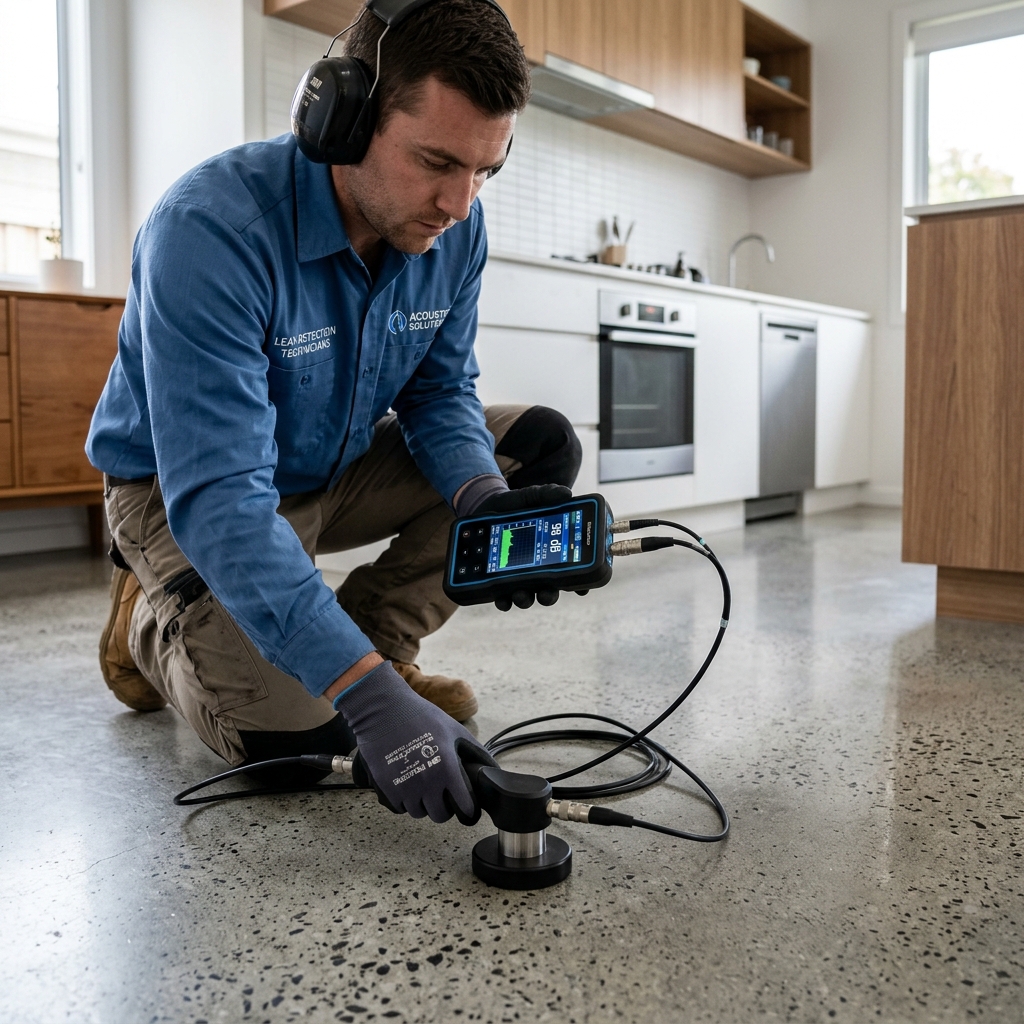
A slab leak occurs when the water pipes running beneath your home's concrete foundation develop a pinhole leak, crack, or rupture. Because these pipes are buried under inches of concrete and sometimes flooring materials like tile or hardwood, the leak is entirely hidden from view. If left undetected, the pressurized water can erode the soil beneath the slab, leading to foundation settling, structural cracks, and extensive water damage as moisture wicks up into your living space.
Many homes in the Toms River area, particularly those built on slab-on-grade foundations in neighborhoods like North Dover or newer developments, rely on under-slab plumbing. Over time, factors such as soil movement, abrasion as pipes expand and contract with hot water, and the natural corrosion of aging copper lines can compromise the integrity of these pipes.
Warning Signs of an Under-Slab Leak
Because the leak is out of sight, property owners must rely on secondary indicators. Common warning signs include:
- Warm Spots on the Floor: A noticeably warm area on a tile or concrete floor is a classic sign of a hot water slab leak.
- Unexplained Water Bill Spikes: If your municipal water bill in Toms River jumps unexpectedly, an underground leak is a likely culprit.
- Damp Flooring or Carpet: Moisture wicking up through the concrete can cause damp carpets, warped hardwood, or loosened floor tiles.
- Sound of Running Water: Hearing water running when all fixtures are turned off can indicate a pressurized leak beneath the foundation.
- Cracks in Walls or Flooring: As escaping water washes away supporting soil, the slab can shift, causing visible structural cracks.
Our Non-Invasive Detection Process
Tearing up concrete floors blindly in search of a damp pipe is a costly and destructive approach. We utilize specialized non-invasive technology to pinpoint the exact location of the leak before any jackhammering begins.
Our detection process often involves acoustic listening equipment. By pressurizing the lines, we can use highly sensitive ground microphones to listen for the precise frequency of water escaping through the concrete. Additionally, thermal imaging cameras help us map the heat signature of hot water leaks, providing a visual guide to where the water is pooling beneath the slab.
Once the source is located, we can advise on the best course of action. Depending on the layout of your home and the condition of the pipes, the solution may involve a localized spot repair, or it may be more prudent to reroute the plumbing entirely, bypassing the failed underground line.
Stop Foundation Damage
If you suspect a slab leak, do not wait for the foundation to settle. Contact us for precise pinpointing.
Talk With a Leak Detection SpecialistFrequently Asked Questions
Can a slab leak be fixed without breaking the floor?
In many cases, yes. Rather than breaking through the concrete to fix a single section of pipe, it is often more cost-effective and less disruptive to perform a pipe reroute. This involves running a new water line through the walls or attic to bypass the leaking underground pipe entirely.
Is a slab leak considered an emergency?
While it may not flood your home immediately like a burst surface pipe, a slab leak is a serious issue that requires urgent attention. Continuous pressurized water eroding the soil beneath your foundation can cause irreversible structural settling and severe mold issues if left unchecked.
How do I know if the leak is hot or cold water?
You can often test this by locating your water heater and feeling the hot water output pipe. If it is hot to the touch even when no hot water is being used in the house, you may have a hot water slab leak. You can also turn the valve off at the water heater to see if the meter stops spinning.
Related Services
If the leak is not under the slab, we can still find it. Explore our related services: